Replacing a Failing Front Porch: Safety, Costs & Expectations
Wondering if your front porch is past repair? Learn safety red flags, cost factors, and what really happens during a professional front porch rebuild.
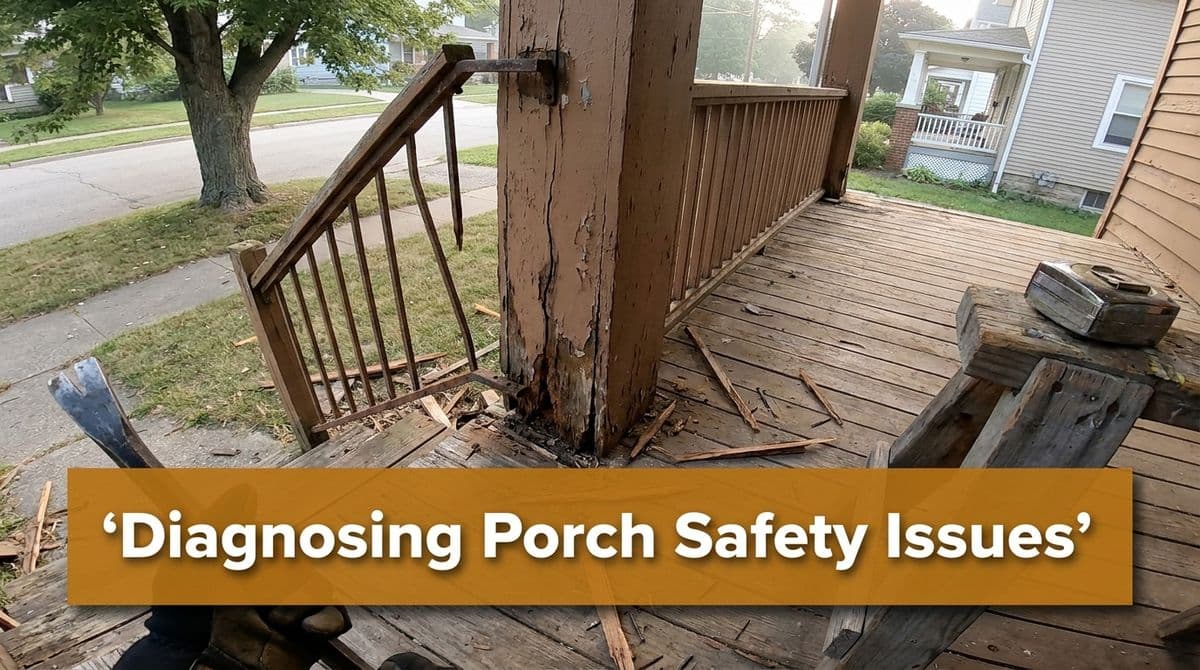
A Call About a Porch That Was No Longer Safe
We recently got a call from a homeowner — let's call him Mark — who was worried about his front porch. He told me, “I’ve got a big front porch that needs replacing. I’ve already got boards missing, and I don’t want anybody to fall or hurt themselves.”
That line right there — “I don’t want anybody to fall or hurt themselves” — is exactly why we take porch calls so seriously. Your front porch isn’t just about curb appeal; it’s a structure you walk on every day, and when it starts failing, it becomes a safety issue fast.
As I scheduled Mark’s free estimate, he was upfront: he knew it “wasn’t cheap” but wanted to make it “reasonable.” That’s a very common and very fair concern. So in this post, I’ll walk you through the same things I explained to him: how to spot safety red flags, what affects the cost of a porch rebuild, and what to expect during the actual replacement.
Safety Red Flags: When a Front Porch Has to Go
By the time Mark called, he already had boards missing from his porch. If you’re at that point, you’re well into the danger zone. But there are earlier signs you can look for before it gets that bad.
Structural Warning Signs You Shouldn’t Ignore
Here are some of the biggest red flags we look for during an inspection:
- Soft or spongy boards: If the wood flexes, feels bouncy, or your foot sinks slightly when you step, that usually means rot underneath.
- Loose, missing, or cracked boards: Gaps, broken edges, or boards that shift underfoot are trip hazards and often point to deeper structural issues.
- Wobbling railings: A handrail that moves when you lean on it is a serious safety risk, especially for kids, older adults, or anyone with mobility issues.
- Leaning or sagging: If the porch seems to slope away from the house or has a noticeable dip, the support posts, beams, or footings may be failing.
- Rot and insect damage: Crumbly wood, deep cracks, or sawdust-like material can mean rot or termites are at work.
If you’re seeing more than one of these signs — especially combined with age and weather exposure — it’s usually more cost-effective (and safer) to talk about a full rebuild instead of piecemeal patching.
Repair vs. Replace: How We Decide
When I met Mark at his home, my first job wasn’t to “sell” him a porch — it was to figure out what was truly needed. Sometimes, we can safely replace a few boards, reinforce a beam, and be done. Other times, like in his case, the safest and smartest path is to replace the whole thing.
Questions We Ask During an Estimate
During a free on-site estimate, we’ll walk through questions like:
- How old is the porch? Older porches built to outdated standards often need more than a surface-level fix.
- Is the damage localized or widespread? One rotted corner is different from rot across most of the framing.
- What are your long-term plans? If you’re staying in the home, it may make sense to invest in longer-lasting materials.
- Are there code or safety issues? Step height, railing height, and structural supports all need to meet current building code.
With Mark, the combination of missing boards, age, and structural concerns meant a full porch replacement was the right call for safety and value.
What Drives the Cost of a Porch Rebuild?
Mark was honest from the start: he knew it wouldn’t be cheap, but he wanted it to be reasonable. That’s exactly how we approach it. Here are the main factors that affect the price of a front porch replacement:
1. Size and Complexity
A small, simple stoop with a few steps is one thing; a wide, wrap-around front porch is another. Costs go up with:
- Larger square footage
- Multiple sets of stairs
- Built-in benches or planters
- Detailed trim or decorative columns
2. Materials
Your choice of materials makes a big difference in both initial cost and long-term maintenance:
- Pressure-treated lumber: Often the most budget-friendly; requires periodic staining or sealing.
- Composite decking: Higher upfront cost but low maintenance and great longevity.
- PVC or vinyl railings: Popular for their clean look and minimal upkeep.
With Mark, we walked through options at different price points so he could balance durability, appearance, and budget.
3. Structural and Hidden Issues
Sometimes the existing framing or footings can be reused; other times, everything has to go. Factors include:
- Condition of the support posts and beams
- Whether the existing footings meet code and are stable
- Any moisture or insect damage where the porch meets the house
We always explain what we find and why we recommend either reusing or replacing certain components.
What to Expect During a Porch Rebuild
When I scheduled Mark’s estimate, we picked a specific time — within the hour — and I explained that I’d knock on his door so he knew exactly who was there. That same kind of communication is what you should expect through the whole project.
Step-by-Step: How the Process Usually Goes
- On-site inspection and free estimate: We look at the current porch, discuss your goals, measure, and talk through material options and rough timelines.
- Written proposal: You’ll get a clear scope of work, estimated cost, and general schedule. No surprises.
- Demolition: We carefully remove the old porch, dispose of debris, and inspect the underlying structure and connection to the house.
- Framing and supports: We install or replace posts, beams, and joists, making sure everything is level, solid, and code-compliant.
- Decking, steps, and railings: Your chosen materials are installed, along with railings and any extra features like skirting or trim.
- Finishing touches and cleanup: We handle any final sanding, caulking, and detailing, then clean up the site so you can start using your new porch.
Depending on size and complexity, many front porch rebuilds take anywhere from a couple of days to about a week, weather permitting.
Keeping Your New Porch Safe and Solid
Once Mark’s porch is rebuilt, our job shifts to helping him keep it safe. Here are a few simple habits we recommend to every homeowner:
- Do a quick visual check every season for soft spots, loose boards, or wobbly rails.
- Keep leaves, snow, and standing water off the porch as much as possible.
- Follow the recommended schedule for staining, sealing, or cleaning your chosen materials.
- Call a professional if you notice sagging, cracks in posts, or any sudden changes.
If your front porch looks like Mark’s did — missing boards, soft spots, or obvious signs of wear — it may be time to talk about a replacement. A safe, solid porch is worth it for your peace of mind every time you step out your front door.